Ductwork
Ductwork Inspection & Repair
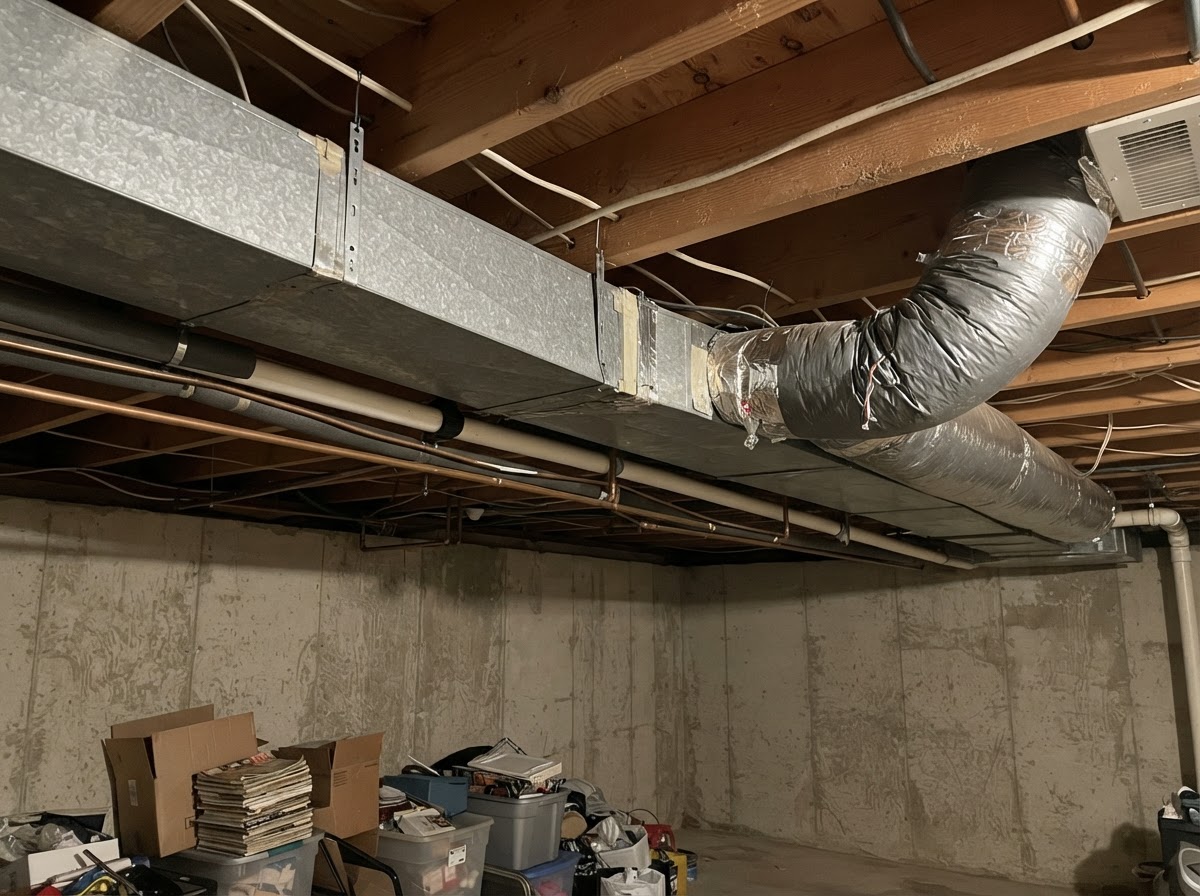
Ductwork carries heated and cooled air to each room, and its condition has a big effect on comfort and energy use. Federal HVAC Denver helps Denver homeowners understand common duct issues and what an inspection involves.
Common reasons you may need this service
- Uneven temperatures between rooms
- Airflow that feels weak in some registers
- Visible damage, gaps, or disconnected ducts
- Dust buildup around the supply registers
Symptoms to watch for
- Some rooms never reach the set temperature
- Air leaks in the attic or basement ductwork
- Whistling or rushing sounds from the ducts
- Excess dust in the home
What's Involved
What a typical service visit involves
A service visit is about understanding the problem first, then explaining the options clearly before any work is agreed.
- 1
Inspecting the duct runs for leaks and damage
- 2
Checking connections, boots, and register seals
- 3
Testing airflow balance across the system
- 4
Explaining the findings and repair options
Equipment & Performance
Useful to know about your system
Leaky ducts can waste a meaningful share of heated and cooled air before it ever reaches a room.
Poorly balanced ductwork causes some rooms to run hot or cold.
Sealing and insulating ducts in unconditioned spaces improves both comfort and efficiency.
Related HVAC services
FAQs
Ductwork Repair questions
Answers to questions that come up often with this service.
Common airflow concerns include leaky duct connections, unbalanced supply runs, crushed or disconnected ducts, and blocked return paths.
Uneven temperatures, weak airflow from some registers, excess dust, and visible damage are all signs that a duct inspection is worthwhile.
Need ductwork repair in Denver?
Tell us what you're noticing and we'll help you figure out the next step. Request a service visit and we'll follow up to arrange it.