Cooling
HVAC Repair
Federal HVAC Denver helps homeowners across the Denver area understand and address heating and cooling equipment problems. When an HVAC system stops performing the way it should, the first step is figuring out what is actually going wrong before deciding whether a repair or a replacement makes more sense.
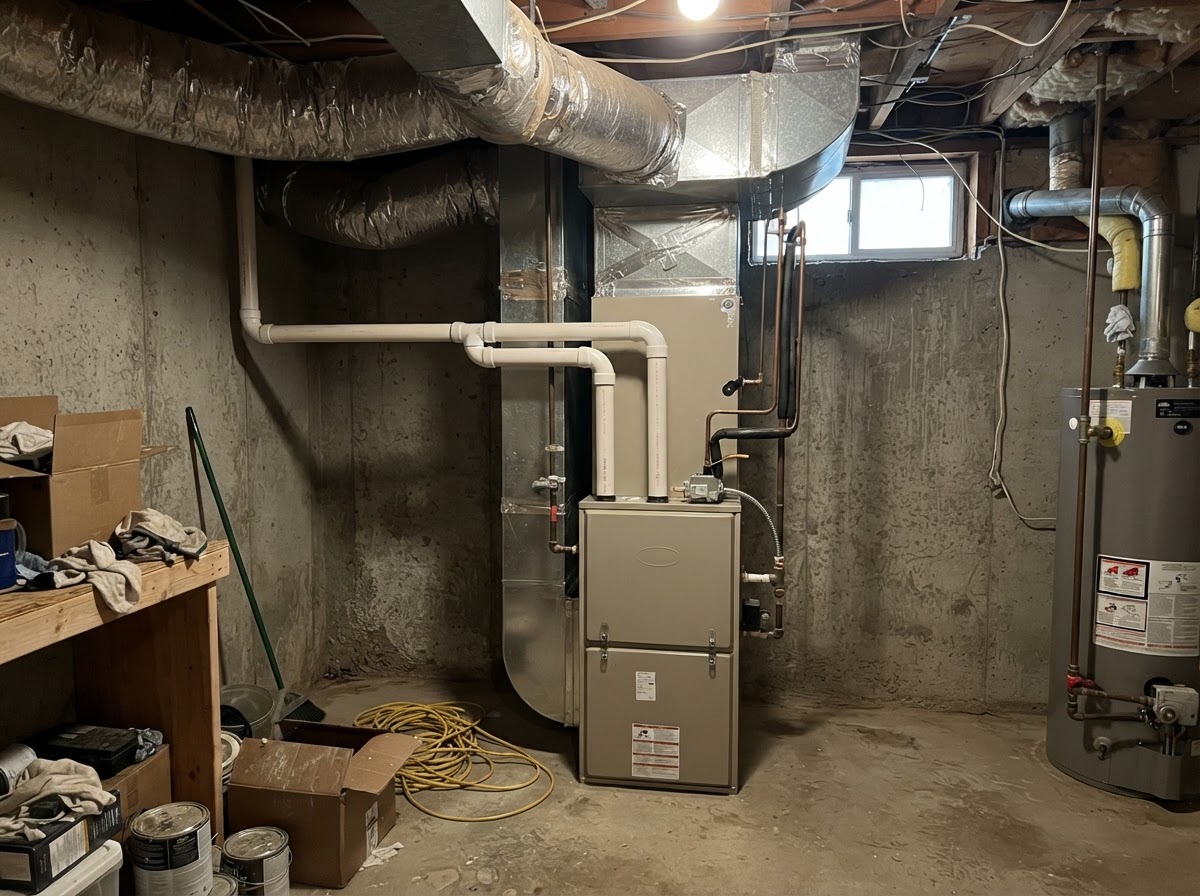
Common reasons you may need this service
- A system that runs but no longer heats or cools the home effectively
- Uneven temperatures between rooms or floors
- Short cycling, where the equipment turns on and off too frequently
- A noticeable change in how the system sounds while running
- Indoor comfort that has declined without an obvious cause
Symptoms to watch for
- Weak or reduced airflow from the supply registers
- Air that feels lukewarm in heating mode or warm in cooling mode
- The thermostat is set but the equipment does not respond
- Higher than usual energy use for the same comfort settings
What's Involved
What a typical service visit involves
A service visit is about understanding the problem first, then explaining the options clearly before any work is agreed.
- 1
A visual inspection of the indoor and outdoor equipment
- 2
Checking airflow, refrigerant levels, and electrical components
- 3
Testing the thermostat and control sequence
- 4
Reviewing what was found and explaining repair and replacement options
Equipment & Performance
Useful to know about your system
Older HVAC equipment tends to lose efficiency gradually as components wear.
A single repeated part failure can be a sign that the system is reaching the end of its service life.
Repair decisions usually weigh the cost of the fix against the age and condition of the overall system.
Related HVAC services
FAQs
HVAC Repair questions
Answers to questions that come up often with this service.
It depends on the age of the equipment, the cost of the repair, and how often problems keep returning. After an inspection, the findings can be compared so you can decide what makes sense for your home.
A short description of the symptom, when it started, the type of equipment, and the thermostat setting are all helpful. Photos of the equipment and any error codes are also useful.
Need hvac repair in Denver?
Tell us what you're noticing and we'll help you figure out the next step. Request a service visit and we'll follow up to arrange it.